A garage door is one of the largest relocating components in any kind of home, and among the easiest to ignore. Individuals see shade, panel style, and curb allure initially. What they usually miss out on is how much that single door impacts everyday convenience, safety, sound degrees, energy use, and also resale worth. An inadequately selected or improperly mounted door can rattle the entire front elevation, leakage warm in winter months, stress the opener, and develop safety problems that appear at the most awful possible time.
Modern homes put a lot more demands on garage doors than older residences did. Today's garages are usually connected to living areas, located prominently on the front façade, and utilized as workshops, fitness centers, storeroom, distribution drop zones, or additional entryways. That changes the criterion. A door that was acceptable twenty years back may feel loud, flimsy, and thermally weak in a newer build or restoration. Garage door setup now sits at the intersection of design, building envelope efficiency, automation, and long-lasting serviceability.
The right installment begins long before the first brace is attached to the wall. It begins with selecting the appropriate door system for your home, determining the opening properly, understanding springtime and track demands, and selecting an opener that matches the weight and use pattern of the door. This is where experience issues. Most issues that later on result in garage door repair are not random failures. They are normally the result of an inequality someplace in the original setup.
What modern house owners in fact need from a garage door
The assumptions are greater now, and forever factor. Home owners want peaceful procedure because bed rooms may sit over or close to the garage. They want insulation because garages frequently share walls with conditioned rooms. They want a clean appearance that deals with contemporary design, whether that means flush steel panels, carriage-house styling, slim home windows, or full-view glass. They want wise controls, reputable backup gain access to, and safety functions that do not really feel outdated.
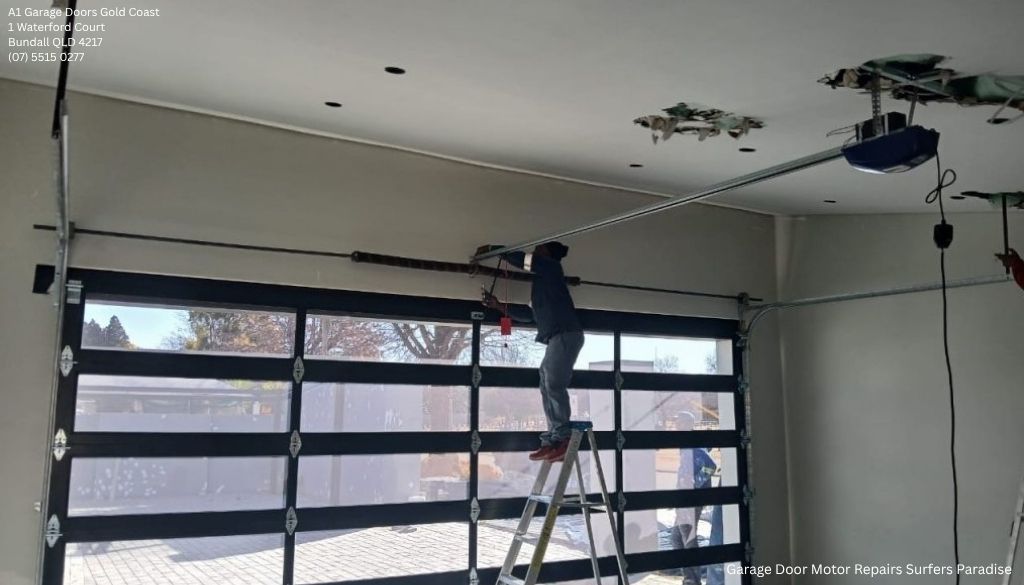
That combination narrows the area swiftly. A fundamental non-insulated pan door might still make sense for a separated outbuilding in a mild climate, but it is an inadequate suitable for most connected garages in modern-day homes. In practice, several property owners are happiest with a sectional steel door using either polyurethane or polystyrene insulation, long lasting boundary weather seals, and sturdy equipment that can handle constant cycles without transforming every open-close into a metal event.
Material option matters too. Steel continues to be the dominant choice because it stabilizes price, stamina, and low maintenance. Aluminum and glass systems fit modern design perfectly, yet they behave in different ways in actual usage. They can be superb in temperate environments and design-forward homes, though they usually give much less insulation unless defined thoroughly. Wood still uses unrivaled warmth and character, yet it requires normal upkeep and adds considerable weight, which influences springtime sizing, opener lots, and long-lasting solution needs.
The dimensions that determine whether the job goes smoothly
Garage door installation is not forgiving of loose dimensions. A salesman or installer who hurries the study can produce problems that surface on distribution day, or worse, months later on as the system uses erratically. Size and height are apparent, yet they are insufficient. Headroom, side area, and backroom all impact track format, spring type, and opener compatibility.
Headroom is the space between the top of the opening and the ceiling or any kind of blockage over it. This location identifies whether a typical torsion system will certainly fit comfortably or whether a low-headroom arrangement is needed. Side room affects where vertical tracks, flag brackets, and spring equipment can be mounted. Backroom matters because the straight tracks and opener rail require clear travel space. Modern garages usually consist of ceiling storage space racks, ductwork, lights, or architectural drops, and these features can complicate what resembles a basic install from the driveway.
An uneven flooring is one more usual issue. Concrete garage slabs often slope towards the outside for water drainage, and some settle in time. A brand-new door can be perfectly square and still reveal light at one base edge if the slab is out. An experienced installer plans for this with bottom seal choice, track alignment, and in some cases slight door adjustments. Homeowners often think a noticeable gap means the door is malfunctioning. More often, it reveals a flooring condition that the installation needs to accommodate.
Picking the best door for the opening and the house
There is no universal best garage door, only the best fit for a particular home and usage pattern. A three-car country garage that functions as the household's bottom line of entry requires a various configuration than a personalized courtyard garage in a high-end metropolitan infill task. Look matters, however performance and life span issue a lot more after the uniqueness of a brand-new appearance wears off.
Insulation deserves comprehending rather than purchasing by tag alone. Higher R-values can aid, especially in severe environments, however the total comfort of a garage depends upon more than the center-of-panel ranking. Section joint layout, perimeter seals, polishing high quality, and the thermal partnership in between the garage and the rest of the home all issue. A well-installed shielded door with decent sealing often outshines a nominally higher-rated door that is freely fitted or coupled with poor weatherstripping.
Window positioning should have believed too. Glass can boost the look of a home dramatically and bring daylight right into the garage, however it alters privacy, heat gain, and street-facing exposure. Frosted or rare glass often strikes the best balance. In homes where the garage doubles as a leisure activity area, natural light can make the space much more functional without forcing the proprietor to maintain the door open.
Wind resistance is not simply a coastal issue. In lots of areas, code demands for support have come to be extra specific. If the home beings in a high-wind area, the door might require heavier scale parts, more powerful track supports, or a ranked setting up checked as a system. This is one location where substituting components to save money can backfire. A garage door is not simply a panel that goes up and down. In a serious storm, it becomes part of the structure's architectural defense.
Why the spring system is the heart of the installation
If home owners keep in mind one technical factor, it must be this: the opener does not lift the complete weight of the garage door by strength. The springtime system stabilizes the door, and the opener guides that balanced tons. When the springtimes are sized correctly, the door must really feel convenient by hand and hug mid-travel without drifting boldy. When the springs are incorrect, everything else suffers.
Torsion springtimes are the favored system in a lot of contemporary domestic installments because they provide smoother control and are usually more durable and functional than expansion springtimes. Proper springtime selection relies on door weight, door elevation, drum size, lift type, and expected cycle use. That is not uncertainty. The door should be weighed or specified accurately, particularly when custom-made materials, insulation plans, or polishing include substantial mass.
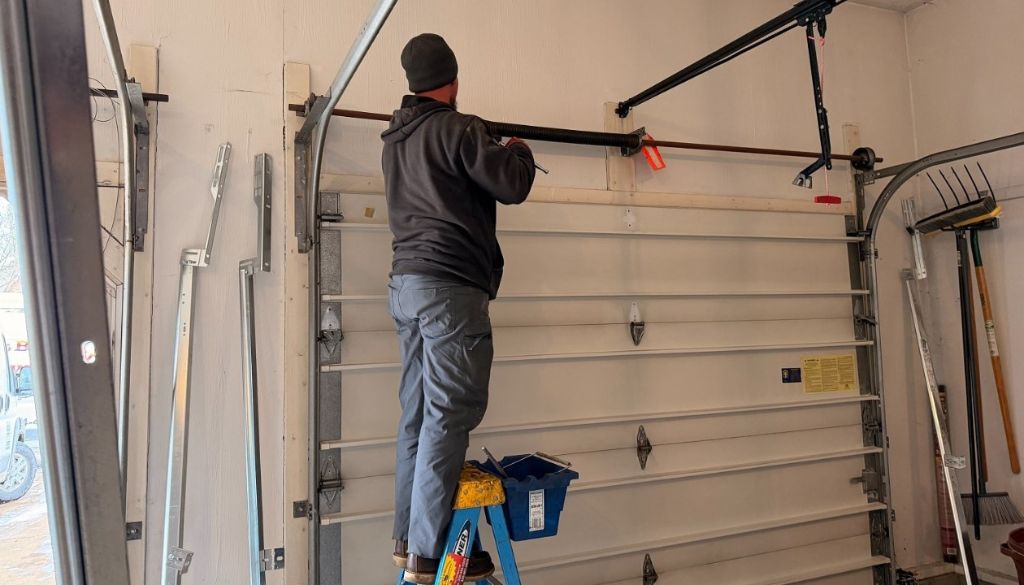
This is also where safety comes to be non-negotiable. Garage door spring replacement is among the much more dangerous solution tasks in property job. Springs store a surprising quantity of energy, and errors can cause serious injury. House owners commonly see a door being installed and think the springtimes are simply another device. They are not. They are a crammed mechanical system under stress, and they demand appropriate tools, procedures, and experience.
In homes where the garage functions as the major family entry, cycle life should have unique attention. A common springtime set might be ranked for around 10,000 cycles, which can be appropriate for moderate use. A hectic family that opens the door six to 8 times a day can eat that life quicker than expected. Upgrading to higher-cycle springs at installation generally sets you back far less than managing early failure and emergency situation solution later.
The opener ought to match the door, not the marketing
A garage door opener is very easy to overshop and simple to misunderstand. Horse power ratings dominate marketing, but also for modern homes, the drive kind and attribute set typically matter more than raw power. A correctly well balanced door does not need an extra-large opener. It requires a trustworthy one that is suited to the door's weight, construction, and anticipated use.
Belt-drive devices are popular for affixed garages because they run quietly. That matters if there is living room over the garage, and several property owners discover the difference right away. Chain-drive devices remain reputable workhorses and can be a wise option in separated garages or budget-conscious tasks. Wall-mount, or jackshaft, openers are particularly valuable in garages with limited ceiling room, high-lift track systems, or style goals that favor a tidy ceiling for storage space or lighting.
Smart connectivity can be truly helpful when applied well. Remote surveillance, shipment gain access to, organizing, and task alerts are functional attributes, not gimmicks, for several homes. Still, the core mechanical features matter a lot more. Soft begin and quit reduce wear and noise. Battery backup helps during outages. Rolling-code security is typical and required. Security reversing sensing units must be straightened appropriately, not dealt with as an afterthought.
A mismatched opener usually discloses itself with pressure, jerky traveling, or premature part wear. When property owners call for garage door repair after a brand-new install, the issue is commonly mapped back to balance problems or an opener picked for comfort instead of system compatibility.
What happens throughout a correct installation
A good setup has a rhythm to it. The old door appears thoroughly, tracks and springs are gotten rid of safely, the opening is checked, and the framework is checked for stability and plumb. Rotten jamb material, loosened anchor points, or cracked placing surfaces must be dealt with prior to the new equipment goes up. Skipping that step is a false economic situation. Fresh bolts right into weak framing do not create a trustworthy system.
The new sections are after that stacked and attached, tracks are straightened, torsion equipment is mounted, and the springtimes are wound to the correct stress. Cable televisions should seat cleanly, drums must be established evenly, and the door should be checked for equilibrium by hand before the opener is involved. That single detail tells a knowledgeable service technician virtually whatever about the high quality of the configuration. If the door is heavy at the flooring, wants to shoot up, or binds in travel, the system is not ready.
Only after the door moves efficiently should the opener be mounted and set. Restriction settings, pressure settings, photo-eye positioning, and auto-reverse action all need to be verified. After that comes securing and ending up job. Bottom seal contact, perimeter vinyl or rubber weatherstripping, and trim alignment all affect lasting performance.
A well-run installation usually consists of these final checks:
The door is well balanced by hand and remains managed with its travel. Tracks are plumb, level where called for, and devoid of spin or squeeze points. The opener turns around properly and safety and security sensing units react as intended. Seals sit tight without excessive drag or visible daytime around the perimeter. Fasteners, hinges, braces, and spring equipment are rechecked after cycling.That last pass is where craftsmanship programs. A garage door can show up practical while still carrying small concerns that develop noise, wear, or service calls later.
Common mistakes that cause trouble later
Some installment issues are apparent on the first day. Others take a season or two to surface. One frequent blunder is underestimating the relevance of reinforcement. Lightweight modern doors, specifically broad dual doors, still need correct bracing at bottom lines. The top section, where the opener arm attaches, is an usual failure spot when reinforcement is inadequate.
Another problem is poor track geometry. Tracks must direct the rollers, not force the door into place. If the upright and straight track connection is off, the door might bind, squeak, or put on rollers erratically. Homeowners commonly react with lubricant, which can mask the signs and symptom for a while without resolving the origin cause.
Weather securing is likewise mishandled regularly than it must be. Installers occasionally concentrate on the significant hardware and rush the perimeter coating. Yet small side spaces can allow wind, dust, water, and bugs. On contemporary homes with tighter structure envelopes, those information matter extra. A garage affixed to conditioned area ought to not behave like a loosely closed shed.
Finally, there is the lure to reuse marginal elements from the previous system. Reusing an old opener with a much heavier insulated door, or preserving worn support hardware since it "still works," is just one of the fastest ways to reduce the life of a new installment. Saving a little upfront can create duplicated domestic garage door repair visits that cost even more overall.
Repair versus replacement, and when installment is the better move
Homeowners usually start by asking whether they need garage door repair or a complete replacement. The response relies on age, condition, parts schedule, and performance objectives. If the door framework is sound and the problem is isolated, such as a harmed roller, cable adjustment, sensor issue, or garage door opener breakdown, fixing might be sensible. If the door has numerous failing parts, bad insulation, panel damages, corrosion, or persistent equilibrium problems, replacement is usually the cleaner long-lasting decision.
Garage door spring substitute sits in the center of that decision tree. Springs are wear products, and replacing them on an or else solid door is regular. However if the springtimes stop working on an old, loud, non-insulated door with curved tracks and a having a hard time opener, springtime replacement alone may only delay a larger expense.
Commercial properties present a relevant but various computation. Business garage door repair commonly prioritizes downtime and obligation cycle over visual appeals. A shop solution bay or warehouse opening might warrant much heavier elements, faster drivers, and a lot more frequent precautionary maintenance. The principles of balancing, right sizing, and appropriate installing stay the exact same, but the consequences of failing are usually extra prompt because business procedures depend on the door.
Style, aesthetic charm, and building fit
Modern homes take advantage of a garage door that looks deliberate, not generic. That does not always suggest remarkable. Sometimes the most effective option is a quiet flush panel in a shade that mixes with the cladding. In various other instances, the garage door is large sufficient that it must become a designed attribute, using upright grooves, slim sightlines, or strategically placed glazing to resemble the windows of the home.
Color choice deserves even more idea than numerous purchasers give it. Dark colors can festinate, specifically on contemporary outsides, but they soak up warm and might reveal dust more readily. Structure also alters understanding. Smooth panels feel crisp and building. Woodgrain embossing can soften a large elevation and job well on transitional homes.
One sensible note from the area: bold layout selections age differently than neutral ones. Homeowners intending to stay for several years might take pleasure in an extra distinct look. Those thinking about resale in the near term frequently do far better with a door that feels present however extensively appealing.
Maintenance begins on installation day
A brand-new door need to not require much past regular assessment, cleansing, and lubrication of the appropriate factors, however the upkeep story starts with the preliminary arrangement. A door that is well balanced, lined up, and effectively secured will stay quieter and more secure with less treatment. A door that starts life slightly off-key often tends to drift further.
Homeowners can shield their financial investment with a brief regimen:
Watch and pay attention to the door monthly for new noise, reluctance, or uneven motion. Test the auto-reverse system and photo-eye sensing units on a normal schedule. Keep tracks clear and clean, however avoid hefty oil where it attracts debris. Have springs, cables, rollers, and balance inspected professionally every year or two. Address little concerns early prior to they develop into emergency situation garage door repair.That technique is particularly important for households who utilize the garage as the primary entrance. High-use doors do not normally fail without caution. They indicate wear with audio, rate changes, or visible strain long before a major malfunction occurs.
Choosing the installer matters as long as selecting the door
Even a superb door can perform poorly if the installment is rushed. When assessing specialists, search for clear measuring procedures, composed requirements, discussion of spring cycle alternatives, and a desire to clarify opener compatibility. An excellent installer does not simply price quote a panel design and a rate. They ask just how the garage is made use of, whether the area is affixed or separated, what climate conditions matter, and what level of noise control the family expects.
It is additionally a good idea to ask who will certainly manage service if something requires adjustment after the install. The fact of relocating systems is that fine-tuning is sometimes required after a few weeks of procedure, especially with seasonal temperature level swings and resolving seals. Reliable follow-up separates an expert operation from a box-drop installment model.
For homeowners contrasting proposals, the least expensive proposition often trims covert essentials: lighter springs, thinner steel, lower-cycle hardware, minimal weather condition securing, or a basic opener coupled with a premium-looking door. Those choices might not be evident from a sales brochure photo, however they end up being noticeable in day-to-day use.
A garage door is a lasting mechanical assembly connected to the front of the house. It ought to open up smoothly, seal securely, run quietly, and fit the architecture without attracting attention for garage door services Southport QLD the wrong factors. When the installment is done effectively, the majority of property owners stop thinking of the door altogether, which is specifically the outcome they need to want.