A garage door is one of the largest relocating components in any kind of home, and among the most convenient to ignore. Individuals discover shade, panel design, and visual charm first. What they commonly miss is just how much that solitary door affects everyday convenience, safety, noise degrees, energy use, and also resale worth. An inadequately chosen or improperly installed door can rattle the whole front elevation, leak heat in winter season, pressure the opener, and develop safety and security problems that appear at the worst feasible time.
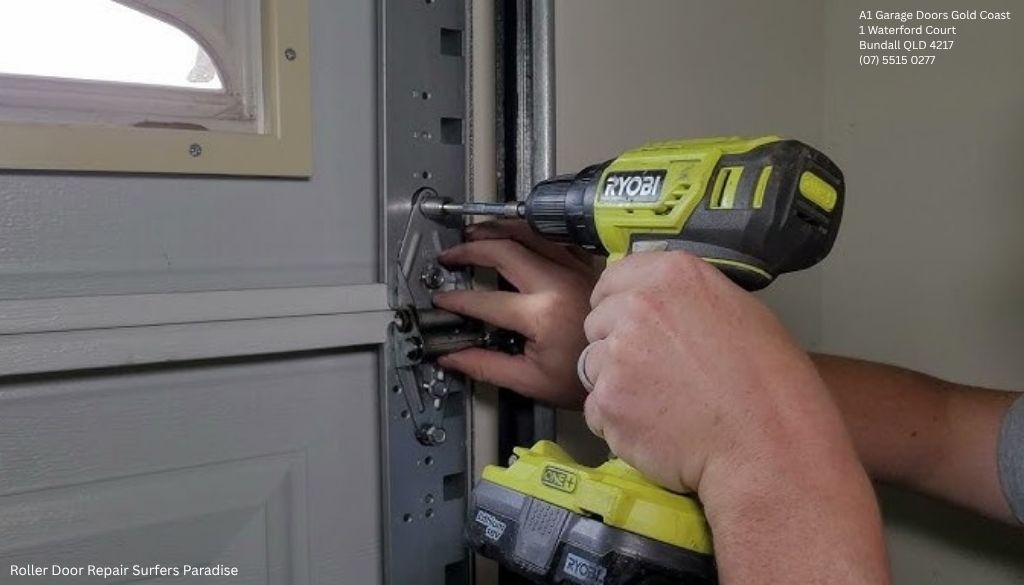
Modern homes place a lot more demands on garage doors than older houses did. Today's garages are typically affixed to living spaces, positioned plainly on the front façade, and made use of as workshops, fitness centers, storeroom, delivery decrease areas, or secondary entrances. That alters the requirement. A door that served twenty years ago might really feel loud, flimsy, and thermally weak in a newer develop or restoration. Garage door installment currently rests at the crossway of style, constructing envelope performance, automation, and long-term serviceability.
The right installment starts long prior to the first brace is secured to the wall. It starts with picking the proper door system for the house, measuring the opening properly, recognizing spring and track needs, and selecting an opener that matches the weight and usage pattern of the door. This is where experience matters. A lot of problems that later on result in garage door repair are not arbitrary failings. They are generally the outcome of a mismatch somewhere in the original setup.
What contemporary property owners in fact need from a garage door
The expectations are greater currently, and completely factor. Home owners want peaceful operation because rooms might rest above or beside the garage. They want insulation because garages usually share wall surfaces with conditioned areas. They want a clean look that deals with modern design, whether that indicates flush steel panels, carriage-house designing, narrow windows, or full-view glass. They want wise controls, dependable back-up accessibility, and safety attributes that do not really feel outdated.
That mix narrows the field rapidly. A basic non-insulated frying pan door might still make good sense for a removed shed in a mild climate, yet it is a bad fit for many connected garages in modern-day homes. In technique, lots of property owners are happiest with a sectional steel door making use of either polyurethane or polystyrene insulation, sturdy border weather condition seals, and sturdy equipment that can manage constant cycles without transforming every open-close right into a metallic event.
Material choice issues also. Steel continues to be the dominant alternative due to the fact that it balances cost, strength, and low maintenance. Aluminum and glass systems fit contemporary architecture beautifully, yet they act differently in real use. They can be exceptional in temperate climates and design-forward homes, though they usually give much less insulation unless defined carefully. Timber still provides unequaled heat and personality, but it calls for regular maintenance and includes substantial weight, which affects spring sizing, opener tons, and long-term solution needs.
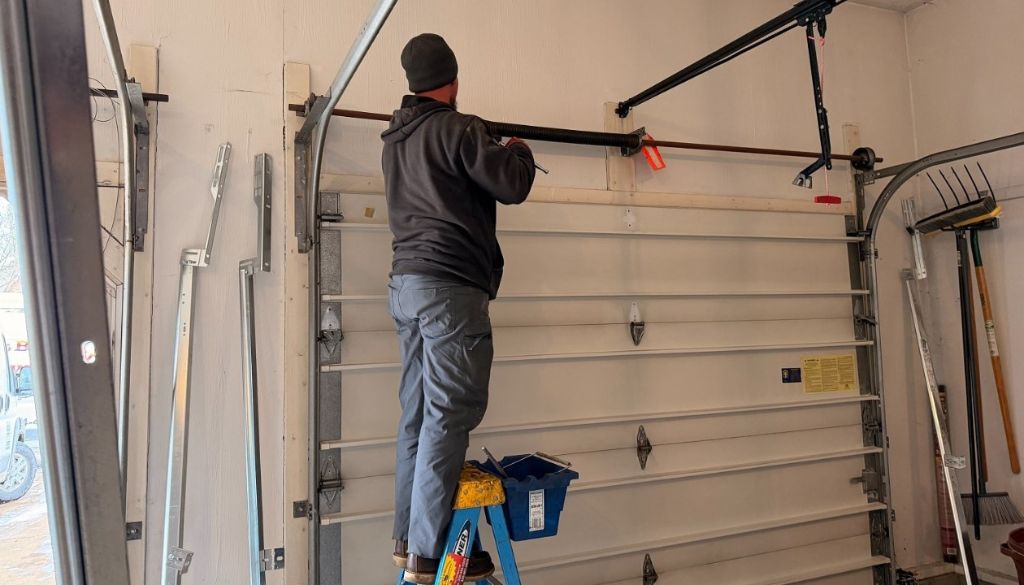
The measurements that choose whether the task goes smoothly
Garage door setup is not flexible of loosened dimensions. A salesperson or installer who rushes the survey can produce issues that emerge on delivery day, or even worse, months later on as the system puts on erratically. Width and elevation are evident, yet they are insufficient. Clearance, side room, and backroom all impact track layout, springtime type, and opener compatibility.
Headroom is the room between the top of the opening and the ceiling or any type of obstruction over it. This location figures out whether a conventional torsion system will certainly fit easily or whether a low-headroom arrangement is needed. Side space affects where upright tracks, flag braces, and springtime hardware can be placed. Backroom issues due to the fact that the here horizontal tracks and opener rail need clear travel space. Modern garages often consist of ceiling storage space shelfs, ductwork, lights, or structural drops, and these attributes can complicate what appears like a straightforward mount from the driveway.
An irregular floor is another usual problem. Concrete garage pieces usually slope towards the outside for water drainage, and some settle gradually. A new door can be perfectly square and still reveal light at one base edge if the slab is out. A knowledgeable installer prepare for this with bottom seal choice, track positioning, and in many cases slight door changes. Home owners often assume a noticeable space suggests the door is faulty. More often, it exposes a floor condition that the installment has to accommodate.
Picking the ideal door for the opening and the house
There is no universal finest garage door, just the best suitable for a particular home and usage pattern. A three-car suv garage that serves as the family's main point of entry needs a different setup than a customized yard garage in a premium urban infill task. Look issues, but efficiency and life span issue much more after the uniqueness of a brand-new façade uses off.
Insulation deserves understanding rather than purchasing by tag alone. Greater R-values can help, particularly in severe environments, yet the complete comfort of a garage depends on more than the center-of-panel score. Area joint layout, boundary seals, glazing quality, and the thermal relationship between the garage et cetera of the home all matter. A well-installed insulated door with suitable sealing typically exceeds a nominally higher-rated door that is freely fitted or paired with bad weatherstripping.
Window positioning deserves assumed also. Glass can elevate the look of a home significantly and bring daytime into the garage, yet it changes personal privacy, warmth gain, and street-facing visibility. Frosted or unknown glass often strikes the best balance. In homes where the garage functions as a pastime location, all-natural light can make the area extra usable without compeling the owner to maintain the door open.
Wind resistance is not just a coastal concern. In many regions, code demands for reinforcement have become extra specific. If the home sits in a high-wind zone, the door may need heavier scale parts, more powerful track supports, or a rated setting up tested as a system. This is one location where substituting parts to conserve cash can backfire. A garage door is not just a panel that goes up and down. In a serious storm, it enters into the structure's architectural defense.
Why the springtime system is the heart of the installation
If home owners keep in mind one technical point, it must be this: the opener does not raise the complete weight of the garage door by strength. The spring system balances the door, and the opener guides that balanced lots. When the springs are sized appropriately, the door ought to really feel convenient by hand and hug mid-travel without wandering aggressively. When the springtimes are wrong, everything else suffers.
Torsion springtimes are the preferred system in many modern household installments because they give smoother control and are usually more long lasting and serviceable than extension springtimes. Proper springtime option relies on door weight, door elevation, drum dimension, lift type, and expected cycle usage. That is not guesswork. The door needs to be weighed or defined properly, particularly when customized products, insulation plans, or polishing add significant mass.
This is likewise where safety and security becomes non-negotiable. Garage door spring replacement is just one of the more unsafe solution jobs in property work. Springs shop an unusual amount of energy, and blunders can bring about serious injury. Homeowners typically watch a door being set up and presume the springs are just another accessory. They are not. They are a loaded mechanical system under stress, and they require appropriate devices, treatments, and experience.
In homes where the garage acts as the main household entryway, cycle life is worthy of special interest. A typical spring collection may be rated for around 10,000 cycles, which can be adequate for moderate use. A busy family that unlocks 6 to eight times a day can eat that life much faster than expected. Updating to higher-cycle springtimes at installation generally sets you back far much less than handling very early failure and emergency solution later.
The opener ought to match the door, not the marketing
A garage door opener is easy to overshop and easy to misunderstand. Horsepower rankings dominate advertising and marketing, but also for modern-day homes, the drive type and attribute collection usually matter more than raw power. A correctly well balanced door does not need an extra-large opener. It requires a reliable one that is suited to the door's weight, construction, and anticipated use.
Belt-drive systems are prominent for attached garages since they run quietly. That matters if there is living area over the garage, and many homeowners observe the distinction quickly. Chain-drive systems remain reputable workhorses and can be a wise selection in detached garages or budget-conscious tasks. Wall-mount, or jackshaft, openers are especially useful in garages with limited ceiling area, high-lift track systems, or design goals that prefer a tidy ceiling for storage space or lighting.
Smart connection can be really valuable when executed well. Remote monitoring, delivery access, scheduling, and activity notifies are practical attributes, not tricks, for several families. Still, the core mechanical functions matter a lot more. Soft beginning and quit decrease wear and noise. Battery back-up assists during blackouts. Rolling-code protection is standard and needed. Safety and security reversing sensing units must be aligned properly, not dealt with as an afterthought.
A dissimilar opener usually discloses itself with stress, jerky traveling, or early element wear. When house owners call for garage door repair after a brand-new install, the issue is often traced back to stabilize problems or an opener picked for benefit rather than system compatibility.
What occurs during a proper installation
An excellent installment has a rhythm to it. The old door comes out thoroughly, tracks and springs are gotten rid of securely, the opening is checked, and the framing is looked for integrity and plumb. Rotten jamb material, loosened support points, or split installing surface areas must be addressed before the new equipment increases. Skipping that step is a false economic climate. Fresh fasteners right into weak framing do not develop a reliable system.
The brand-new areas are after that piled and linked, tracks are straightened, torsion equipment is mounted, and the springtimes are wound to the right stress. Cables must seat cleanly, drums have to be set uniformly, and the door needs to be examined for equilibrium by hand prior to the opener is engaged. That single detail tells a skilled service technician practically every little thing about the quality of the configuration. If the door is heavy at the floor, intends to fire up, or binds in travel, the system is not ready.
Only after the door moves smoothly ought to the opener be mounted and set. Limitation setups, pressure setups, photo-eye alignment, and auto-reverse feedback all need to be validated. After that comes securing and ending up job. Bottom seal contact, boundary vinyl or rubber weatherstripping, and trim placement all influence lasting performance.
A well-run installation generally includes these final checks:
The door is well balanced by hand and remains controlled with its travel. Tracks are plumb, level where required, and free of twist or squeeze points. The opener reverses effectively and security sensors react as intended. Seals stick around without extreme drag or visible daylight around the perimeter. Fasteners, joints, braces, and springtime hardware are rechecked after cycling.That last pass is where craftsmanship programs. A garage door can appear useful while still bring small issues that develop sound, wear, or solution calls later.
Common errors that cause difficulty later
Some installment problems are evident on the first day. Others take a period or 2 to appear. One regular blunder is ignoring the relevance of reinforcement. Light-weight contemporary doors, particularly vast dual doors, still need correct bracing at bottom lines. The leading area, where the opener arm attaches, is a typical failure spot when support is inadequate.
Another issue is poor track geometry. Tracks needs to direct the rollers, not compel the door right into location. If the upright and horizontal track relationship is off, the door may bind, squeak, or wear rollers unevenly. Home owners commonly react with lube, which can mask the sign for a while without resolving the root cause.
Weather sealing is likewise mishandled regularly than it should be. Installers sometimes focus on the significant equipment and rush the boundary surface. Yet tiny side spaces can allow wind, dust, water, and insects. On contemporary homes with tighter structure envelopes, those details matter extra. A garage connected to conditioned area needs to not act like a freely shut shed.
Finally, there is the lure to recycle low parts from the previous system. Recycling an old opener with a larger insulated door, or keeping used support hardware since it "still functions," is among the fastest means to reduce the life of a brand-new setup. Saving a little upfront can produce repeated property garage door repair sees that set you back even more overall.
Repair versus substitute, and when installation is the better move
Homeowners typically begin by asking whether they require garage door repair or a complete substitute. The response relies on age, problem, parts availability, and efficiency goals. If the door framework is sound and the concern is separated, such as a harmed roller, cord change, sensing unit problem, or garage door opener malfunction, fixing may be reasonable. If the door has numerous stopping working parts, poor insulation, panel damages, rust, or chronic equilibrium issues, replacement is usually the cleaner long-term decision.
Garage door spring replacement sits in the center of that decision tree. Springs are wear items, and replacing them on an otherwise solid door is routine. Yet if the springs fall short on an old, loud, non-insulated door with curved tracks and a struggling opener, spring replacement alone may just delay a bigger expense.
Commercial homes provide a related but various estimation. Commercial garage door repair often prioritizes downtime and task cycle over aesthetics. A shop solution bay or stockroom opening might justify larger parts, faster operators, and more regular precautionary upkeep. The concepts of harmonizing, correct sizing, and appropriate placing stay the very same, however the consequences of failing are typically a lot more immediate since company operations depend upon the door.
Style, visual allure, and architectural fit
Modern homes take advantage of a garage door that looks deliberate, not common. That does not constantly imply dramatic. Occasionally the most effective option is a peaceful flush panel in a color that mixes with the cladding. In various other cases, the garage door is large enough that it needs to become a designed feature, making use of upright grooves, slim sightlines, or tactically placed glazing to echo the home windows of the home.
Color choice should have even more idea than many purchasers provide it. Dark colors can look sharp, specifically on contemporary exteriors, however they take in warmth and may show dirt quicker. Structure also transforms perception. Smooth panels really feel crisp and architectural. Woodgrain embossing can soften a huge altitude and work well on transitional homes.
One practical note from the area: vibrant layout options age in a different way than neutral ones. Property owners preparing to remain for several years might delight in a much more unique appearance. Those thinking about resale in the near term commonly do far better with a door that really feels current but generally appealing.
Maintenance starts on setup day
A brand-new door should not require much beyond periodic assessment, cleaning, and lubrication of the correct factors, yet the upkeep tale begins with the first setup. A door that is well balanced, aligned, and correctly fastened will stay quieter and safer with less intervention. A door that begins life slightly off-key often tends to drift further.
Homeowners can protect their investment with a brief routine:
Watch and listen to the door month-to-month for new noise, doubt, or irregular motion. Test the auto-reverse system and photo-eye sensors on a regular schedule. Keep tracks clear and tidy, yet avoid hefty oil where it attracts debris. Have springtimes, cables, rollers, and balance checked professionally every year or two. Address small issues early before they become emergency situation garage door repair.That strategy is specifically vital for households who utilize the garage as the key entry. High-use doors do not normally fall short without caution. They indicate wear through audio, speed adjustments, or visible strain long prior to a major failure occurs.
Choosing the installer matters as long as picking the door
Even an excellent door can choke up if the installation is rushed. When evaluating professionals, look for clear gauging treatments, created specs, discussion of springtime cycle alternatives, and a readiness to explain opener compatibility. A great installer does not simply price quote a panel design and a price. They ask exactly how the garage is utilized, whether the room is connected or detached, what environment problems matter, and what level of noise manage the household expects.
It is additionally smart to ask that will take care of solution if something needs change after the mount. The reality of moving systems is that fine-tuning is often required after a couple of weeks of procedure, specifically with seasonal temperature swings and working out seals. Dependable follow-up separates an expert operation from a box-drop installation model.
For house owners comparing quotes, the least expensive proposal frequently trims surprise basics: lighter springtimes, thinner steel, lower-cycle equipment, marginal weather condition securing, or a basic opener coupled with a premium-looking door. Those choices might not be obvious from a pamphlet picture, but they become noticeable in everyday use.
A garage door is a lasting mechanical assembly attached to the front of your home. It ought to open efficiently, seal securely, run quietly, and fit the style without drawing interest for the wrong reasons. When the setup is done correctly, many house owners stop thinking about the door completely, which is specifically the end result they should want.