A garage door can consider anywhere from 130 pounds for a fundamental solitary steel door to well over 300 extra pounds for an insulated dual door, and custom timber doors can climb up much greater. The reason that much weight really feels convenient when you lift the door by hand, or when a garage door opener elevates it with a small motor, comes down to one point: spring tension.
When a spring breaks, the entire system exposes itself at once. The opener strains. The door jerks, stalls, or bangs shut. House owners commonly assume the issue is the opener since that is the noticeable equipment in the middle of the ceiling. In technique, the opener is often simply the initial part to complain. The real concern is typically at the springtime assembly.
Garage door springtime substitute is among those repairs that looks simpler from the driveway than it is up close. I have actually seen doors that were one bad cycle away from coming off track, openers with stripped gears because a person maintained attempting to force a busted springtime door to run, and substitute tasks made complex by earlier faster ways, incorrect spring sizing, or mismatched equipment. Understanding the difference between torsion and expansion springtimes helps you make far better choices, whether you are setting up household garage door repair, assessing a quote, or attempting to comprehend why one repair service costs more than another.
Why the springs matter more than most individuals realize
Springs are the counterbalance system for the whole door. They store energy when the door shuts and release it when the door opens. Without them, the opener would certainly require to raise the full dead weight of the door on every cycle, and most openers are not developed for that. Their work is to direct and relocate a properly balanced door, not function as a crane.
A well-balanced garage door ought to remain almost in place when raised halfway by hand. If it races downward, really feels unusually heavy, or wanders up on its own, spring tension is likely off. That does not always mean a springtime has broken. Springs also compromise over time. Steel exhaustions. The door might still relocate, yet the balance point adjustments. That gradual loss of performance is simple to miss out on till the day the spring finally gives out.
This is where garage door repair becomes less regarding a solitary damaged part and even more regarding system health and wellness. Springs affect cable televisions, rollers, hinges, track alignment, and opener life. When the door is out of equilibrium, those parts lug tension they were never ever suggested to absorb.
Torsion springtimes and extension springtimes are built for the exact same task, yet they do it extremely differently
Most contemporary garage doors make use of one of two springtime systems. Both counterbalance the door, yet the means they store and provide energy is totally different.
Torsion springtimes place on a steel shaft over the garage door opening. As the door closes, the springtimes wind tighter, keeping rotational energy. When the door opens up, that power relaxes via cable television drums at each end of the shaft, lifting the door in a regulated way.
Extension springs stretch along the straight tracks on either side of the garage. As the door shuts, they extend and keep power in stress. When the door opens, they acquire and assist pull the door up via a sheave and cable television arrangement.
That fundamental layout distinction influences every little thing else, consisting of life-span, level of smoothness, noise, service intricacy, and safety.
Torsion springs: the criterion for a lot of modern-day systems
If you look above your garage door and see a steel tube or shaft with 1 or 2 tightly wound springs around it, you have a torsion system. This is currently the preferred arrangement for many brand-new garage door installation job, especially on sectional domestic doors and several business doors.
Torsion springtimes deliver smoother, much more controlled movement than extension springtimes. The lifting force is dispersed through the shaft and drums, which tends to lower door persuade and track tension. On wider dual doors, that security issues. A door that rises evenly lasts longer and puts much less strain on the opener.
They additionally often tend to supply far better durability when appropriately sized. A basic torsion spring could be ranked around 10,000 cycles, with one cycle being a full open and close. Higher-cycle options, typically 20,000 cycles or even more, are available and worth thinking about for households where the garage functions as the main entryway. In many homes, the front door gets much less use than the garage. 4 to 6 cycles a day accumulates much faster than people think.
From a solution perspective, torsion systems are much more accurate. That is both a benefit and a hazard. The springtime dimension need to match the door weight, height, drum dimension, and track configuration. Appropriate winding requires specialized bars, exact turn counts, and interest to shaft placement, cable television tension, and established screw placement. A good professional can dial in the equilibrium wonderfully. An untrained person can produce a dangerous condition in minutes.
Extension springs: still usual, yet less forgiving
Extension springtime systems are usually discovered on older domestic doors, lighter doors, and budget-conscious installations. Instead of installing over the header, they run parallel to the straight tracks. When they damage, the failing is usually evident. A springtime may hang loose, the door might become irregular, or one side may stop lifting altogether.
These systems can work well when maintained properly, however they are generally noisier and less polished than torsion arrangements. Due to the fact that the springtimes stretch and contract along the tracks, they can contribute to much more visible activity and vibration. Pulleys, sheaves, safety and security cords, and hook add-ons all contribute, which indicates there are a lot more put on indicate inspect.
One critical detail with expansion springtimes is the safety cable. This cord goes through the facility of the springtime and aids have it if the springtime snaps. On older doors, I still periodically see extension springs without security cords, which is a significant issue. A broken expansion springtime without a safety and security cord can whip with force, harmful cars and trucks, drywall, kept items, or worse, wounding a person nearby.
Extension systems are in some cases less expensive to replace at first, but they commonly demand closer interest to surrounding equipment. Used wheels and frayed wires prevail companions to a weary extension spring. Replacing only the spring and overlooking those parts can turn an affordable repair work into a repeat solution call.
How to tell which kind you have
The most convenient method to determine the system is by place. Torsion springtimes sit directly over the door opening on a shaft. Extension springs rest close to the top horizontal tracks, one on each side.
If the door has a single long spring installed horizontally over the center of the door, that might be an older torque or specialty arrangement as opposed to a conventional torsion assembly. Those systems exist, though they are much less usual. In those cases, precise recognition issues since substitute components are not constantly compatible with present common hardware.
For both property owners and property supervisors, excellent pictures assist when asking for garage door repair. A front view of the whole door, a shot of the springtime area, and close-ups of any kind of busted or hanging parts can save time and stop misdiagnosis.
What spring failing looks like in the actual world
A damaged torsion springtime typically announces itself with a sharp bang, audible that people blunder it for something dropping in the garage. The sound originates from the abrupt release of kept power as the coil separates. If you examine the spring, you will generally see a visible space in the coil, often two inches or more.
With extension springs, the signs can be messier. One side of the door might lift while the other drags. The door might jam at an angle. A cable television could come off the wheel. In many cases, the spring itself is noticeably elongated or separated.
Not every stopping working spring breaks cleanly simultaneously. Some weaken slowly. The opener may reverse since it senses excess force. The door might wait a foot off the floor, which is an usual stress and anxiety point because that is where the springtime system has to do the most raising job. Property owners occasionally try urgent fix garage door to resolve that by readjusting opener pressure settings, but that deals with the signs and symptom rather than the cause.
A garage door opener need to never be made use of to make up for a falling short spring. That is exactly how carts bend, gears strip, and take a trip restrictions get tossed off.
Why springtime replacement is seldom a DIY job
There are home repair services where perseverance and a great video clip tutorial can take you much. Garage door spring replacement is not one of them.
The issue is saved energy. Springs hold sufficient pressure to raise a hefty door consistently. Releasing or applying that force without the right tools and technique can trigger serious injury. Torsion springtimes are particularly unrelenting due to the fact that winding bars can slide, cones can crack, shafts can rotate suddenly, and established screws can confiscate or fall short. Expansion systems bring various threats, especially when cables and pulleys are under tension.
There is additionally the issue of sizing. Springs are not one-size-fits-all. 2 doors that look nearly similar from the road may need extremely various springs depending on door weight, insulation, window areas, track distance, drum dimension, and clearance. Setting up the incorrect spring can leave the door too heavy, too light, or unequal via its travel.
The risks that make do it yourself replacement an inadequate idea are relatively regular:
Incorrect springtime sizing throws off door equilibrium and increases endure the opener and cables. Improper winding or extending can launch kept energy violently. Old equipment may stop working throughout substitute, particularly bearings, cones, wheels, and bottom brackets. A misbalanced door can come off track or close unpredictably. Force-setting the opener after a negative repair can produce a crush hazard.Professional specialists do more than swap springtimes. They consider or determine the door, match the cycle rating, check the shaft or track system, verify cable television condition, lubricate relocating components where ideal, and examination balance manually before reconnecting the opener. That series matters.
Why both springs are normally changed together
On two-spring torsion systems, home owners frequently ask whether they can replace just the damaged spring and leave the other one alone. Technically, yes. Virtually, it is normally a false economy.
If one spring has reached completion of its cycle life, the various other springtime has actually likely been through the same variety of cycles. Also if it has not damaged yet, it is commonly close. Replacing just one spring can additionally create discrepancy if the remaining springtime has tired out and lost some original force.
The exact same logic applies to paired extension springtimes. Matching lift on both sides of the door is essential. A fresh springtime on one side and a worn out spring on the opposite side can cause unequal travel, cable television problems, and track stress.
There are exemptions. On a more recent door where one springtime was harmed too soon by deterioration or a manufacturing problem, replacing one might be sensible. On older systems, paired replacement is generally the smarter service decision.
The fixing conversation must include cycle life, not just price
Spring quotes can differ commonly, and a lot of that difference comes down to worldly high quality, cycle score, and whether the quote includes related solution work. A low number is not always a better worth if it purchases a fundamental springtime that will be tired again in a couple of years.
For a family members that uses the garage as the main point of access, an upgrade from a 10,000-cycle spring to a 20,000-cycle spring often makes good sense. If the door runs 6 times a day, 10,000 cycles can be worn down in under five years. At four cycles a day, it lasts much longer, yet still not permanently. A higher-cycle springtime might set you back more ahead of time and conserve cash in stayed clear of repeat calls.
This issues for commercial garage door repair as well, though the mathematics gets extra serious. A solution bay door, filling dock door, or parking structure door can log hefty day-to-day usage. In those setups, springtime selection is connected straight to downtime danger. One bad failure can disrupt procedures, delay deliveries, or produce a safety and security problem for employees.
What a great springtime substitute go to should include
When a skilled professional deals with garage door spring substitute, the consultation must cover more than the noticeable damaged part. Great leaves the entire door running far better than it did before the failing, not merely useful sufficient to close.
A comprehensive check out typically includes the following:
|Solution aspect|Why it matters||-- |--|| Spring sizing verification|Stops underpowered or crowded out balance|| Cable and drum or pulley examination|Finds fraying, misalignment, and wear brought on by springtime failure|| Birthing and brace check|Verifies the shaft or track equipment can handle fresh spring stress|| Door equilibrium test|Makes sure the opener is not raising a hefty or runaway door|| Opener reconnection and security examination|Validates reversal system and traveling after the door is well balanced|
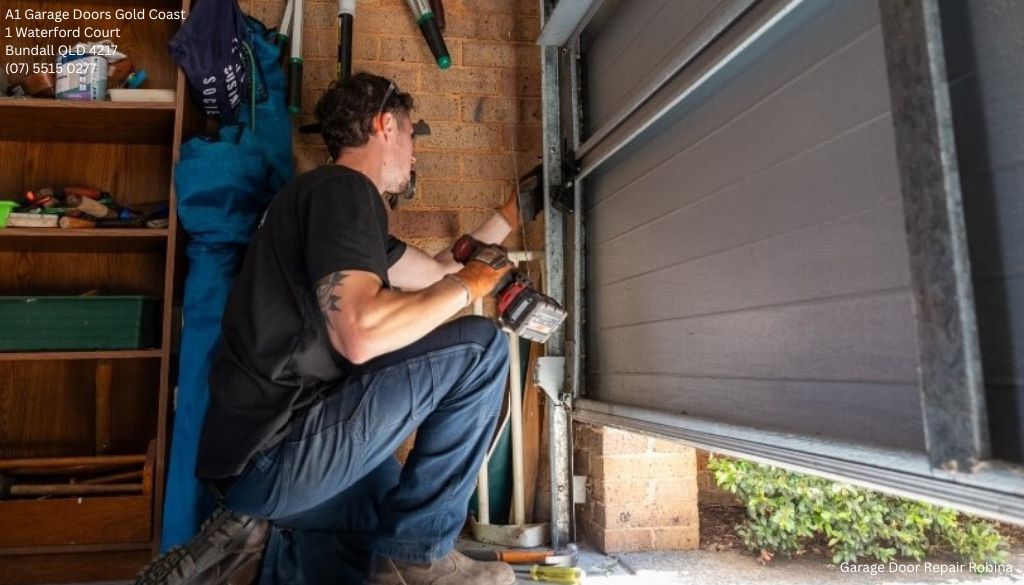
That is the distinction between an actual fixing and a slim parts swap. If the door equilibrium is not checked by hand prior to the opener is put back into solution, the task is incomplete.
Torsion versus expansion in daily use
Homeowners determining between repair and modernization commonly ask whether they must convert an older expansion system to torsion. Sometimes the solution is yes, in some cases it is unworthy the expense.
Torsion systems usually use smoother traveling, better control, and less complicated accuracy adjusting. They are usually the better lasting configuration, particularly for heavier protected doors or double-width doors. They additionally tend to pair perfectly with quieter contemporary openers due to the fact that the total movement is a lot more stable.
Extension systems can still perform appropriately on lighter doors when all parts are in good condition. If the tracks are aligned, the sheaves are audio, and safety and security cords are set up, an expansion system may continue serving well. The choice relies on the age of the door, the problem of the equipment, and whether the consumer wants to purchase a wider upgrade.
I have actually seen older expansion configurations that were maintained correctly and ran much better than overlooked torsion systems. The equipment type issues, however handiwork and upkeep matter equally as much.
The opener is not the celebrity of this repair service, yet it usually gets dragged right into it
It is common for people to call concerning a garage door opener because the remote still functions, the motor hums, and the door does stagnate. That sign frequently traces back to the spring system. If the spring is damaged, the opener might try to raise a door that has actually instantly ended up being much larger than expected.
Some opener designs will quit and turn around. Others will grind, stress, or relocate the door a few inches prior to giving up. On chain-drive devices, you might see the rail flexing under load. On screw-drive or belt-drive systems, the carriage can delay or disconnect.
After spring replacement, the opener must be rechecked for pressure setups, traveling restrictions, and arm attachment condition. If the door was operated consistently with a broken springtime, the opener might currently have damages. I have changed plenty of springtimes just to find the customer additionally needed an equipment kit or a full opener replacement since the equipment had actually been required way too many times.
That crossover is one factor incorporated solution matters. The very best garage door repair service technicians look at the whole setting up, not simply the fallen short spring.
Residential and industrial doors call for various judgment
Residential garage door repair often centers on comfort, safety and security, and noise. Family members desire a door that opens up efficiently, seals appropriately, and does not wake your home throughout early separations. Spring sizing because atmosphere is affected by insulation, ornamental equipment, wind-rated support, and usage habits.
Commercial garage door repair changes the top priorities. Cycle volume, uptime, and hardware sturdiness relocate to the front. Doors are usually bigger, heavier, or exposed to tougher problems. Moving steel doors, sectional expenses doors in warehouses, and full-view aluminum doors in solution bays all place various demands on their springtime systems.
That indicates substitute decisions can not be replicated over from a residence to a store or packing location. A spring that is fine for a country two-car garage might be totally wrong for a commercial application with frequent procedure and higher liability.
Maintenance that aids springs last longer
No springtime lasts for life, but a few routines can maintain the rest of the system from increasing its decrease. Normal aesthetic assessment assists catch fraying cable televisions, curved hinges, loosened braces, or pulley wear before they produce a larger failure. Oiling steel rollers, hinges, and torsion springtimes with a proper garage door lubricating substance can reduce sound and surface area deterioration, though lubrication is not a replacement for correct balance.
The most helpful point a home owner can do is pay attention to adjustments. If the door sounds harsher than it did last month, feels heavier by hand, or begins stopping in strange areas, that is worth a solution call. Springs seldom fall short without a little caution someplace in the system.
For residential property managers handling multiple doors, maintaining solution dates and springtime cycle scores on file makes intending easier. Preventive substitute is often less costly than emergency after-hours repair service, specifically on doors that safeguard stock or vehicles.
When substitute develops into a bigger conversation
Sometimes a springtime failing is just a spring failing. Various other times, it subjects a bigger concern. A door may be undersized for the opening, the track may be tired out, or the entire configuration might be overdue for innovation. If the door is older, badly protected, or loud sufficient to interfere with nearby rooms, springtime replacement can be the moment to go over a more comprehensive garage door setup upgrade.
That does not indicate every damaged springtime should trigger a sales pitch. Often, a clean springtime replacement is the ideal telephone call. Yet when the panel sections are rusted, the equipment is worn throughout, and the opener is near the end of its life, covering one part at once becomes expensive.
A great specialist must have the ability to discuss the options plainly: repair what exists, transform the spring system if helpful, or replace the door plan if the business economics aim this way. Clear judgment issues more than hostile recommendations.
What property owners ought to remember when the springtime breaks
If the door unexpectedly will not open, stand up to need to keep striking the remote. Detaching the opener and trying to raise the door manually can also be risky if the door is large or the spring is fully damaged. The best reaction is to stop using the door, maintain individuals clear of it, and require service.
If the only vehicle is caught inside, tell the repair service business that when scheduling. Some circumstances can be prioritized, and some doors can be opened carefully by qualified service technicians even with an unsuccessful spring, depending on dimension, damages, and accessibility. What need to not take place is a house owner improvising with clamps, pry bars, or brute force.
Garage door springtime substitute is not glamorous, yet it is among one of the most substantial repairs in the whole door system. Torsion and extension springtimes may work in a different way, yet both deserve respect. When they are sized appropriately, installed appropriately, and sustained by sound equipment, the door feels practically insubstantial. When they fall short, every weak point in the system shows up fast.
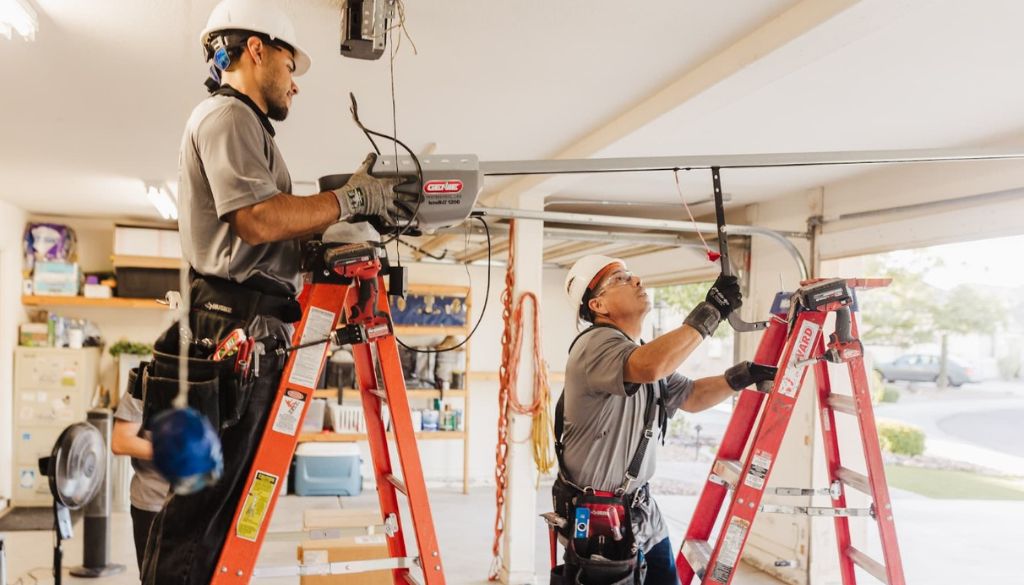
That is why understanding the springtime type on your door matters. It helps you ask better concerns, place weak recommendations, and choose repair work that protect the door, the opener, and the people that use it every day.