Understanding Broken Garage Door Springs
Garage door springs play a vital role in counterbalancing the weight of your garage door, making it easy to open and close either manually or with an automatic opener. There are two primary types of springs used in garage doors: torsion springs and extension springs.
Torsion springs are mounted above the garage door opening, consisting of tightly wound coils that store mechanical energy to lift the door smoothly. These springs work in conjunction with the cable drum and winding cone to distribute tension evenly. Extension springs, on the other hand, run along the horizontal tracks on either side of the door and stretch as the door closes. Both rely on spring coil tension to offset the heavy weight of the door panels efficiently.
When a spring breaks or loses tension, the door becomes difficult or impossible to open. This failure disrupts the entire counterbalance system and puts strain on other components such as the garage door cables and rollers.
Signs Your Garage Door Spring Is Broken
Recognising the symptoms of a broken garage door spring early can prevent further damage and ensure timely repair:
- Garage door won’t open: The most obvious sign; the door feels heavy or refuses to move. Loud bang: A sharp snap or boom when the spring breaks is common due to sudden release of tension. Door imbalance: The garage door may open unevenly or partially, indicating one spring failed while the other remains functional. Garage door off track: Broken springs can cause misalignment causing the door to come off its rails. Visible gaps or broken coils: Inspecting the spring may reveal broken or stretched coils.
If you observe any of these signs, a spring replacement or adjustment is necessary immediately.
Types of Garage Door Springs: Choosing the Right Repair Approach
Understanding the difference between torsion springs and extension springs is critical before attempting any repairs or replacements.
Torsion Springs vs Extension Springs
- Torsion Springs: Mounted above the door; provide smooth balanced lifting with high durability. Require specialized tools like winding bars for adjustment. Extension Springs: Located along the door tracks; simpler design but less durable and noisier. Usually come with safety cables to contain broken spring parts.
Both spring types use a spring coil to generate the necessary tension, but torsion springs typically last longer and provide better door balance. Repairing or replacing these springs involves handling the winding cone and cable drum to manage spring tension safely.
Risks and Safety Considerations in Garage Door Spring Repair
Garage door spring repair is inherently dangerous due to the high tension stored in the springs. Taking proper safety precautions is essential to avoid injuries and ensure successful repairs.
- Use safety cables: Especially with extension springs, safety cables prevent broken springs from flying out and causing injury. Wear protective gear: Eye protection and gloves safeguard against snapbacks during adjustments. Manual release usage: Engage the manual release mechanism to decouple the door from the automatic opener before working on springs to prevent unexpected movements. Spring adjustment safety: Do not attempt to unwind or wind torsion springs without appropriate tools such as winding bars and adequate knowledge. Inspect hardware regularly: Springs, cables, drums, and rollers should all be checked to maintain overall safety.
Performing a thorough safety inspection prior to any work is a non-negotiable step.
How to Repair a Broken Garage Door Spring (Step-by-Step Guide)
If you are confident and equipped to handle garage door spring repair yourself, follow these detailed steps carefully. Remember, if uncertain, contact a professional.
Tools and Materials Needed
- Winding bars for torsion spring adjustment Adjustable wrench and socket set Replacement spring (torsion or extension) Hardware kit, including new bolts, screws, and brackets Lubricant for rust prevention and smooth operation Safety cables (for extension springs) Protective gloves and eye protection
Step 1: Disconnect Power and Release Tension
Unplug the garage door opener and engage the manual release to disconnect the door from the opener mechanism. This prevents accidental activation.
Step 2: Secure the Door
Clamp the garage door to the track to prevent it from moving during the repair. This maintains stability when removing the broken spring.
Step 3: Remove the Broken Spring
For torsion springs, carefully unwind the tension using proper winding bars inserted into the winding cone. Then, unbolt the springs from the center bracket and drums. For extension springs, detach the safety cables and hardware holding the spring to the track https://goldcoastgaragedoorrepair.com.au/nerang-qld/ and door frame.
Step 4: Install the New Spring
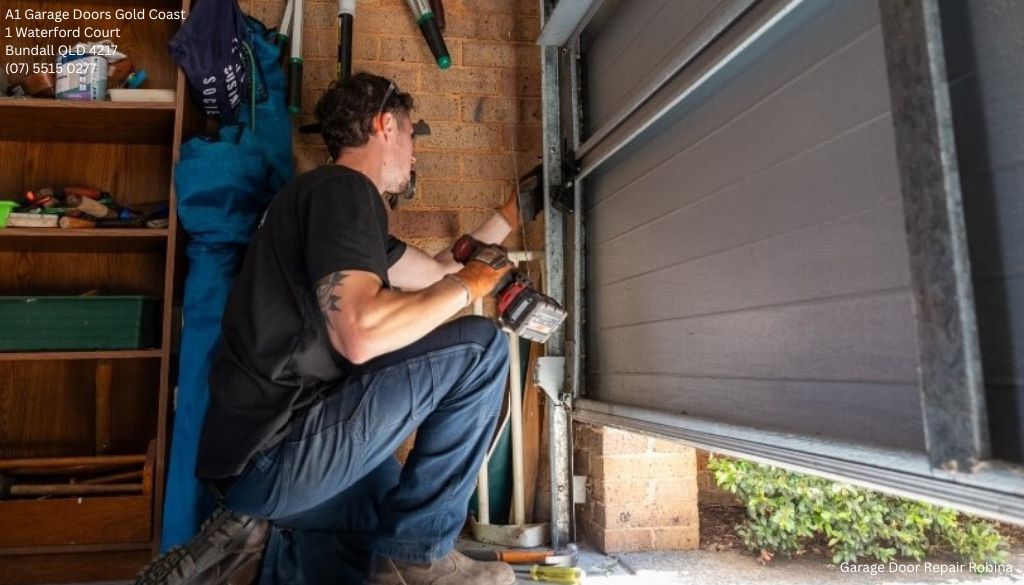
Attach the replacement spring to the same mounts, ensuring proper alignment with the cable drum and winding cone. Follow manufacturer instructions to wind the torsion spring correctly, applying appropriate spring tension.
Step 5: Lubricate and Inspect Components
Apply garage door lubricant to the new spring coils, rollers, and hinges to prevent rust and reduce noise. Check cable integrity and door balance to ensure smooth operation.
Step 6: Test the Door
Manually operate the door several times to verify balance and smooth movement. Reconnect the automatic opener and test remote functions cautiously.
When to Call a Professional Garage Door Repair Company
While some experienced DIYers can handle spring repairs, many situations warrant professional intervention:
- Complex torsion spring systems requiring precise winding and tension adjustment Damaged hardware beyond springs, such as cable drums, garage door cables, or rollers Safety concerns or lack of proper repair tools Warranty considerations on garage door parts and service Upgrading or replacing entire garage door systems and installation of new springs
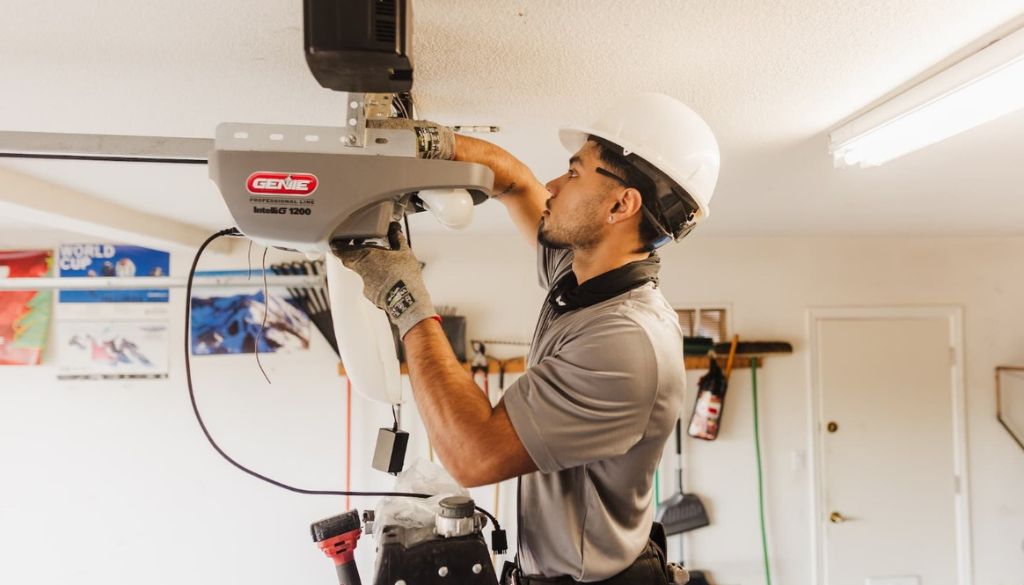
Professional garage door companies bring certified expertise, genuine parts, and commitment to safety standards—ensuring your garage door operates flawlessly after repair or replacement.
Preventative Maintenance to Avoid Broken Springs
Proper maintenance can extend the life of your garage door springs and reduce the likelihood of unexpected failures:
Our Sponsor
A1 Garage Doors Gold Coast
A1 Garage Doors Gold Coast is a Bundall-based garage door specialist serving the southern Gold Coast and surrounding suburbs with installation, repair, maintenance, and emergency garage door services. The company specializes in sectional doors, roller doors, garage door openers, spring and cable replacement, opener motor repair, smart-enabled installations, and 24/7 emergency call-outs across Robina, Burleigh Heads, Surfers Paradise, Nerang, Coomera, and the wider Gold Coast region.
Address:
1 Waterford Court,
Bundall,
QLD
4217,
Australia
Phone: (07) 5515 0277
Business Hours:
- Open 24/7 — Including After-Hours and Emergency Call-Outs
Follow Us:
- Regular lubrication: Apply silicone-based lubricant to springs, hinges, rollers, and tracks every six months. Spring tension checks: Monitor door balance by manually lifting the door halfway; it should stay in place without drifting. Roller and hinge inspection: Ensure garage door rollers move freely and hinges are tight to reduce stress. Weather seal upkeep: Replace worn weather seals to keep moisture out and prevent rust formation on springs. Listen for unusual garage door noise: Grinding or popping sounds may indicate spring fatigue or damage.
Investing time in maintenance reduces repair costs and prolongs door lifespan effectively.
Frequently Asked Questions About Garage Door Spring Repair
How long does spring replacement take?
Professional garage door spring replacement typically takes 1-2 hours, depending on door type and condition. DIY repairs may require more time based on experience and tools.
Can I replace springs myself?
While possible for skilled individuals familiar with garage door mechanics, spring replacement is risky and requires specialised tools. It is safer to hire professionals, especially for torsion springs.
What are the costs involved?
Costs vary by spring type and door size. Extension spring replacements generally range from $150-$300, while torsion spring repairs can cost between $200-$500 or more, including labour and parts.
How to maintain springs after repair?
Regular lubrication, avoiding sudden door slams, and periodic professional inspections help maintain optimal spring performance post-repair.
Are all springs compatible with my garage door model?
No. Springs must match door weight, size, and design specifications. Using incorrect springs can cause damage and pose safety risks.
In conclusion, broken garage door spring repair is essential for maintaining door functionality, safety, and convenience. Recognising signs of wear or failure early, understanding the types of springs, and following proper repair methods or engaging experienced professionals ensures your garage door operates reliably. Don’t compromise on safety—whether you choose to DIY or hire a trusted garage door company, regular maintenance and timely repair extends the life of your garage door system and protects your home.